Resonance | Interview: Warmth
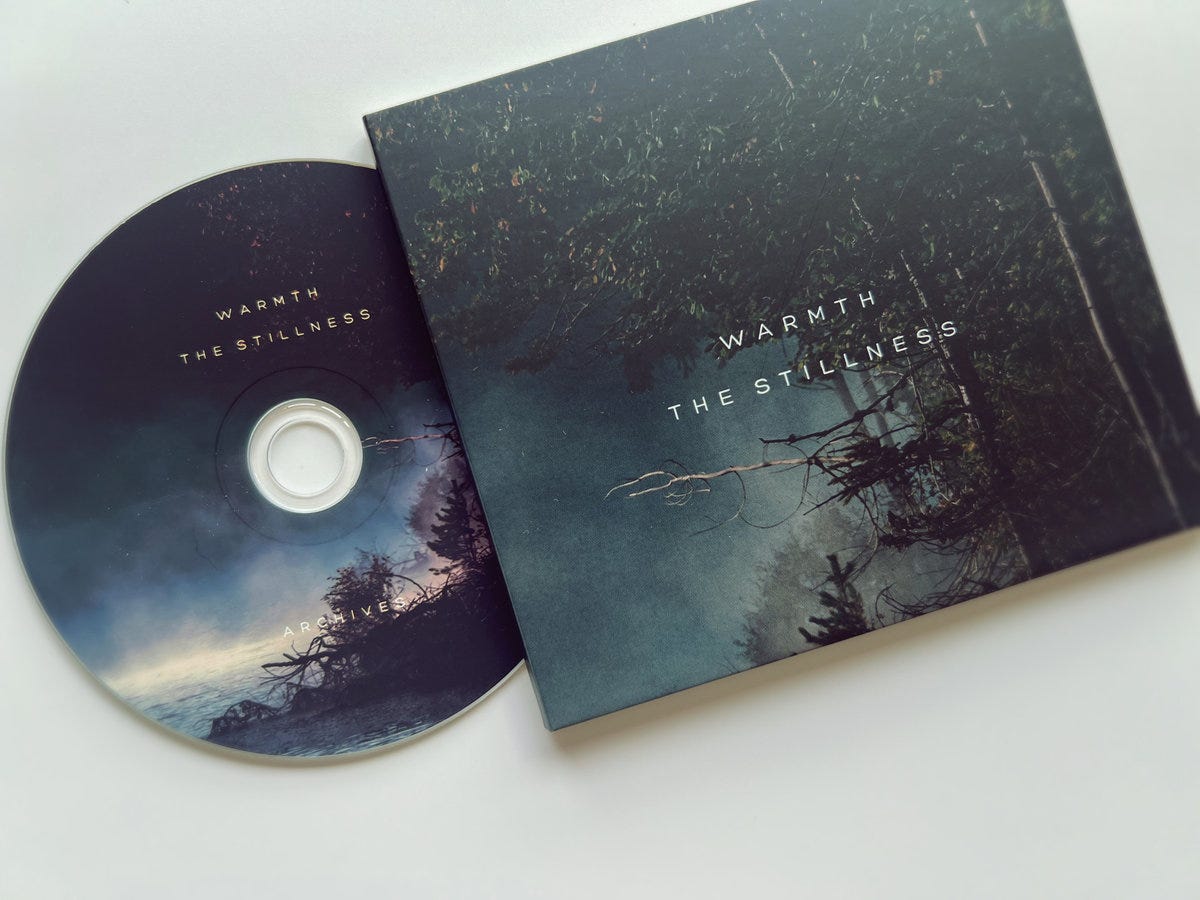
Hollie Kenniff in conversation with Spanish ambient producer Agustín Mena, whose latest album "The Stillness" is out today via his Archives label


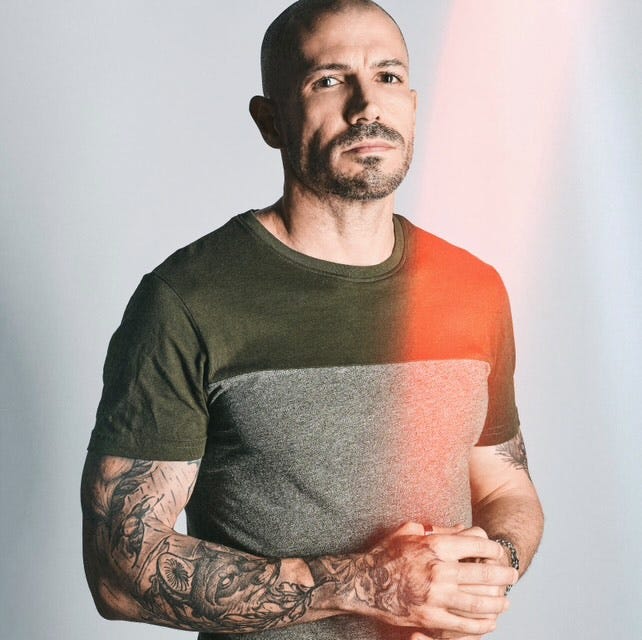
Warmth is the ambient project of prolific Spanish ambient producer Agustín Mena, known for deeply atmospheric soundscapes. Agus also releases under the alias SVLBRD and runs the Archives and Faint labels.
I’m always curious about the paths that people take to find their connection to ambient music. What was yours like and what was it about the sound or process that first pulled you in?
I think my first instinct when I started doing my own music was to make ambient. Before I started producing, I was obsessed with Boards of Canada, Aphex Twin, James Holden... but obviously, given my resources and experience at the time, my attempts weren't successful. So, I focused on other genres, especially dub techno and something close to chillstep, but over time, there was always a lot of ambient background in what I was doing. I guess it was my way of understanding music, and I ended up focusing on that aspect.
Your music often feels like a private place, like a room made for retreat, where nothing is rushed or forced. There to wander, linger, and lose yourself for a while. Do you see your music as a place you make for yourself, as much as for others?
I'd say I've always tried to make the kind of music I like to listen to, although obviously the result isn't always what you expect, but of course I appreciate that other people like what I do. The best thing about music is that it's very subjective. Everyone can feel it differently. There have been albums that have been very special to me and haven't worked too well with the audience, while others that I didn't have much confidence in and that for me were part of some exploratory phase, have connected with people for whatever reason.
After years, I feel like my music is going in the direction I've always wanted, so right now, producing is something extremely satisfying, and it hasn't always been that way. For years, it was a process of trial and error, with a lot of doubt and frustration until I found something to work on.
You’ve mentioned that you started producing a bit later, and that live performance has never quite felt natural, especially with stage fright and having a shy nature. I’ve always been quite shy too, so I really understand that feeling. Do you feel like keeping your music off the stage helps it stay more personal or untouched in some way, like it doesn’t have to perform for anyone but you?
Absolutely. Producing for me is a very intimate and often therapeutic process. It's helped me express many feelings during times when I've had to deal with depression, anxiety, grief... Honestly, when someone listens to my music in front of me, it's a strange and uncomfortable feeling. I've always been very self-critical, and I feel a certain sense of scrutiny, which I don't like at all. Right now, it's also very easy to have an opinion on everything, and you can probably unwittingly find comments about what you do. Sometimes they're nice, sometimes they're very negative, sometimes they're downright hurtful or absurd. In any case, my personality doesn't allow me to be completely impervious, so I've never even considered exposing myself to the public in that way.
You’ve said that your creative season deepens when the light fades and the air cools in Valencia, and that your music belongs more to autumn and winter. How do you feel the rhythm of the Mediterranean year shapes your sound?
For years, I've been managing my two labels, releasing other people's music, and there were times when I could be working on up to 12/14 different projects, from albums to compilations. I was working with a lot of people, so I didn't have much time to make my own music, and those months were when I tried to find some time, also when I was a bit more in the mood. In recent years, I've been releasing mostly my own material on the labels. There came a time when I felt like I wanted to focus more on production and work on some collaborations, so I'm actually practically always working on something. After years, I feel like my music is going in the direction I've always wanted, so right now, producing is something extremely satisfying, and it hasn't always been that way. For years, it was a process of trial and error, with a lot of doubt and frustration until I found something to work on.
You’ve described your music as a deeply personal and therapeutic process, something you’d create even without sharing it. How do you think that intimacy shapes the way your music resonates with others?
For me, it's a full experience. I understand that many people listen to ambient music because it helps them relax or sleep, and I think that's totally valid; I often use it for that too. But when it comes to producing, I look for an organic and dynamic sound, something that engages my senses and produces different sensations. If that's not the case, then something's really not right. Many people write to me telling me how they feel about my music or a particular album. I couldn't say why or how, but I would definitely say that there are those who feel what I put into my music.
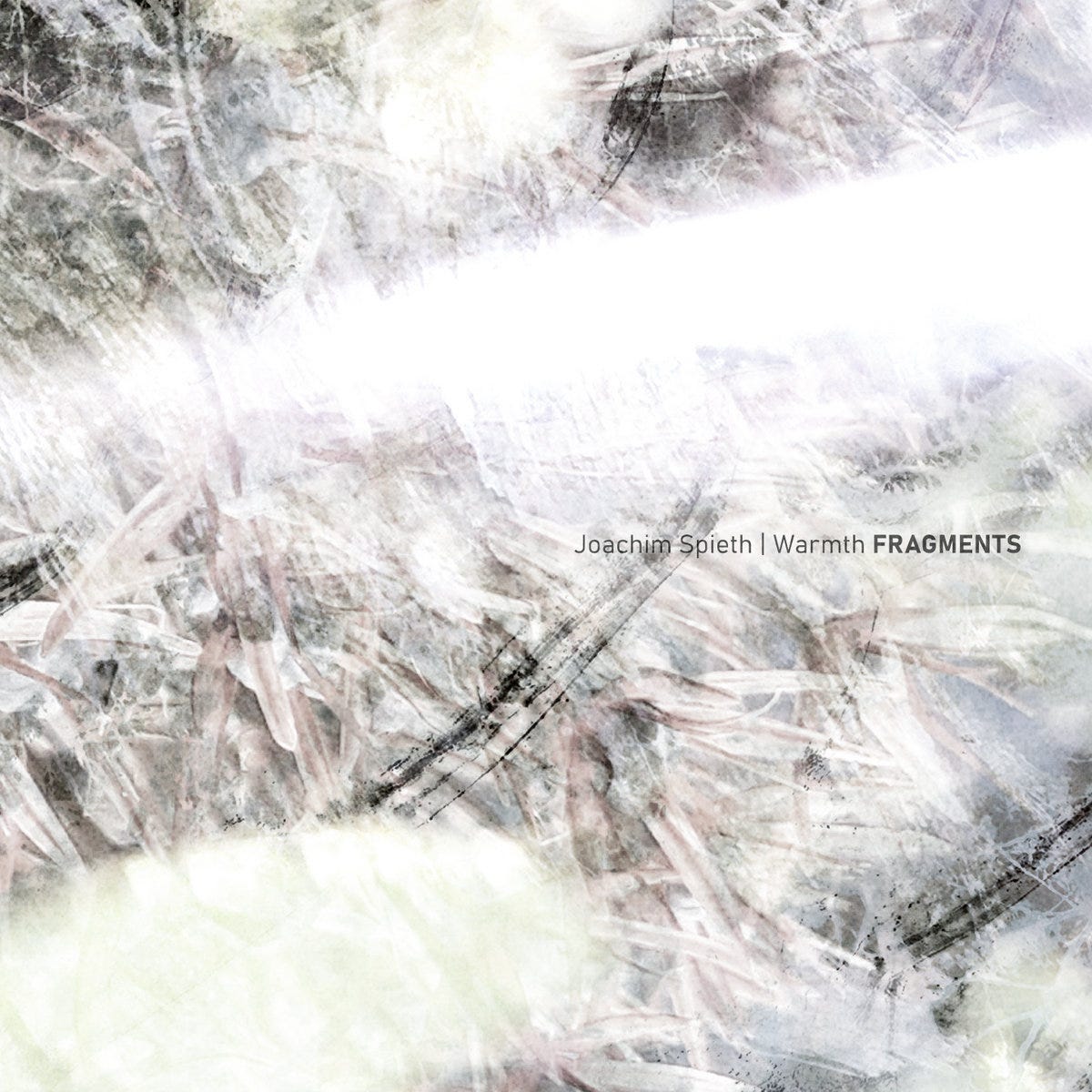
Your collaborative album with Joachim Spieth earlier this year, Fragments, feels like a meeting point between your sonic worlds. What drew you and Joachim together creatively, and how did your approaches complement or challenge each other in shaping that sense of space and timelessness?
Joachim and I have been exchanging impressions for years. I'd say some of our work is really aligned, even though our sound isn't necessarily similar. I really love his approach to music. We did some remixes for each other, and I think it was a really easy thing to do, just like the album itself. There wasn't really any discussion about what direction to take. It all came together very naturally, and as soon as we started sending each other recordings, it seemed clear that it was going to end up sounding very spacey and dark, but I think it's a very dynamic album with many different tones, not the typical suffocating dark ambient.
Your music seems very much about frequencies. I love your use of and focus on lower frequencies in the pieces that you create. What draws you to your sonic choices?
For some reason, it's the spectrum I find most interesting, especially in ambient music. High-pitched sounds can really stress me out. I try to give my music a certain brightness, but always within what I consider won't be out of place. I've tried doing different things, but I just don't feel like it's my sound. I can find it interesting when listening to other artists music, but not when producing my own.
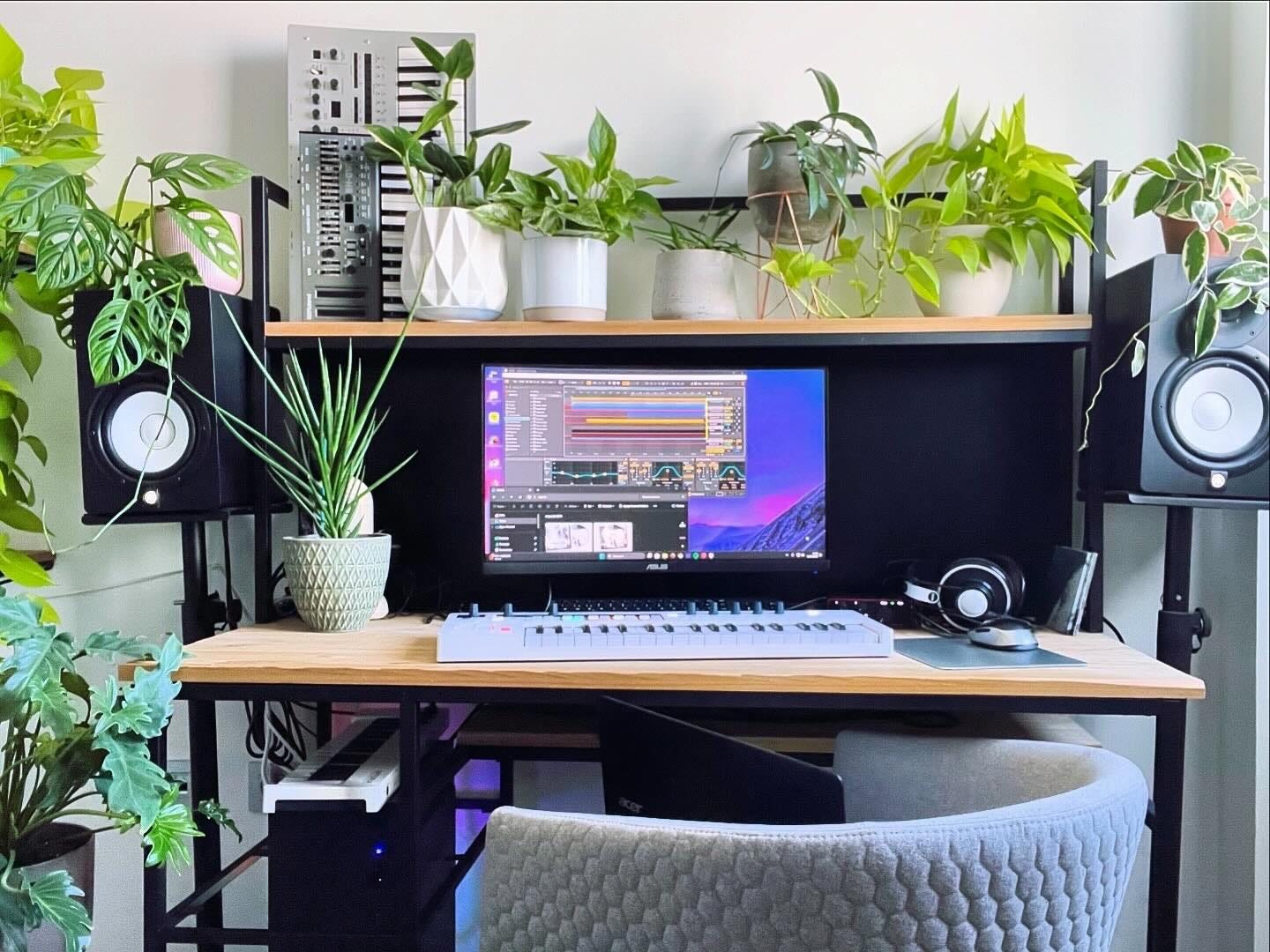
There’s something quietly meditative about both plant care and ambient composition, an attention to slow growth, subtle shifts. Do you see a connection between how you care for your plants and how you shape sound?
I guess so, taking care of my plants is also an escape. Something that relaxes and fulfills me.
You focus a lot on drones or very slow-moving chords. What is your relationship to movement in your music? Does this pace of experience translate into your life in general?
The truth is, I'm a very active person. I exercise a lot and always have a thousand things to do, so when I sit in my studio, it's like time to isolate myself and slow things down. Being alone in my space is something I enjoy, and I imagine that feeling of isolation is reflected in the sound of what I make. It's instinctive, like focusing on low frequencies.
Have any books, visual art, or films stood out to you recently as sources of inspiration?
I've been practicing and reading a lot about yoga lately. I'm not a particularly spiritual person or anything like that, but I guess it's shaping my recent work a bit, in the sense that I've perhaps tried to work on a more distinctive sound, a bit more into deep meditative material.
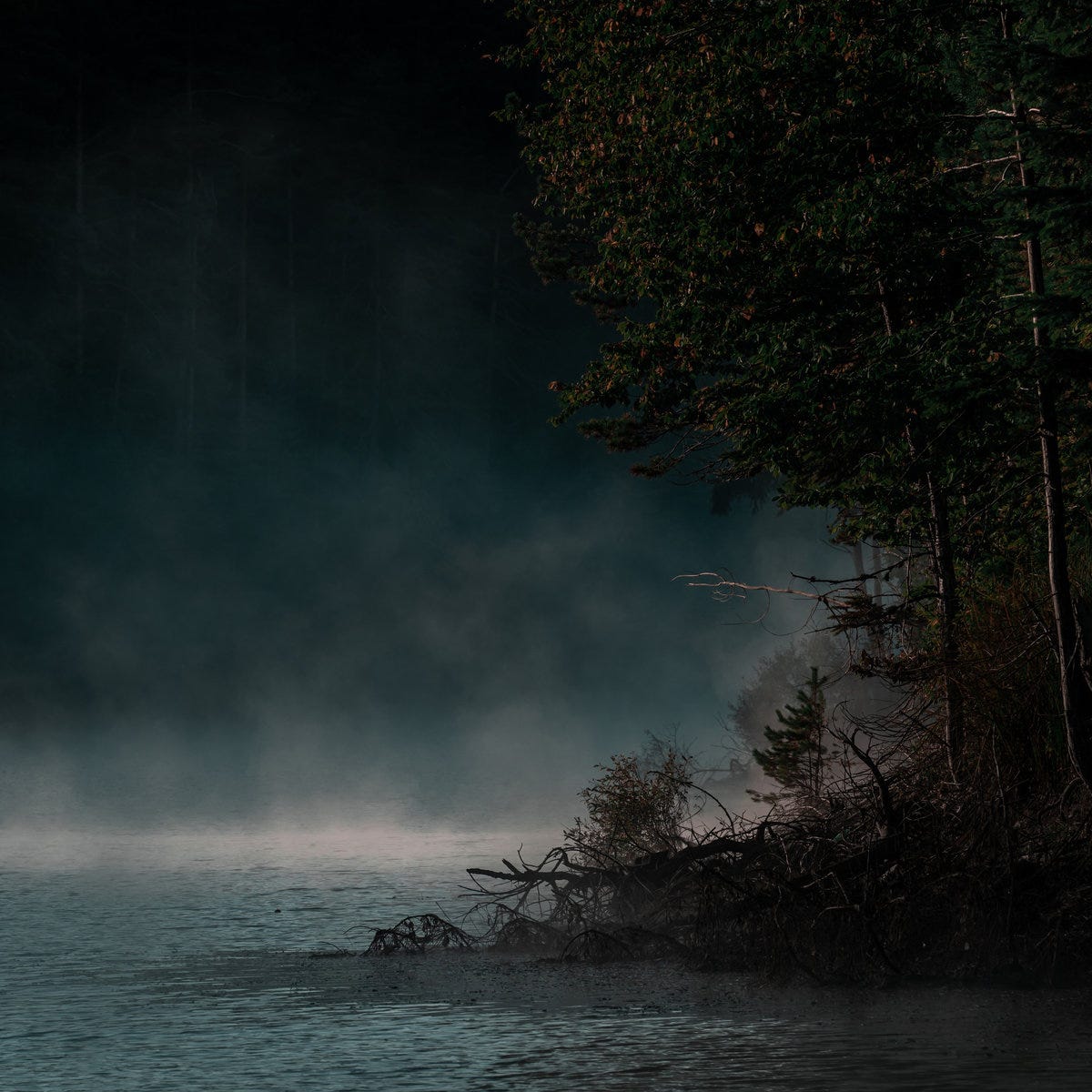
The Stillness is out now via Archives. You can follow Warmth across all major streaming platforms to stay connected to his evolving sound. And for those who cherish the tangible, a limited-edition CD awaits.