

Resonance Interview | Izzy Johnson
Tom Honey (Good Weather for an Airstrike) talks with Michigan-based composer Izzy Johnson about their release 'Isolation / Liminality'

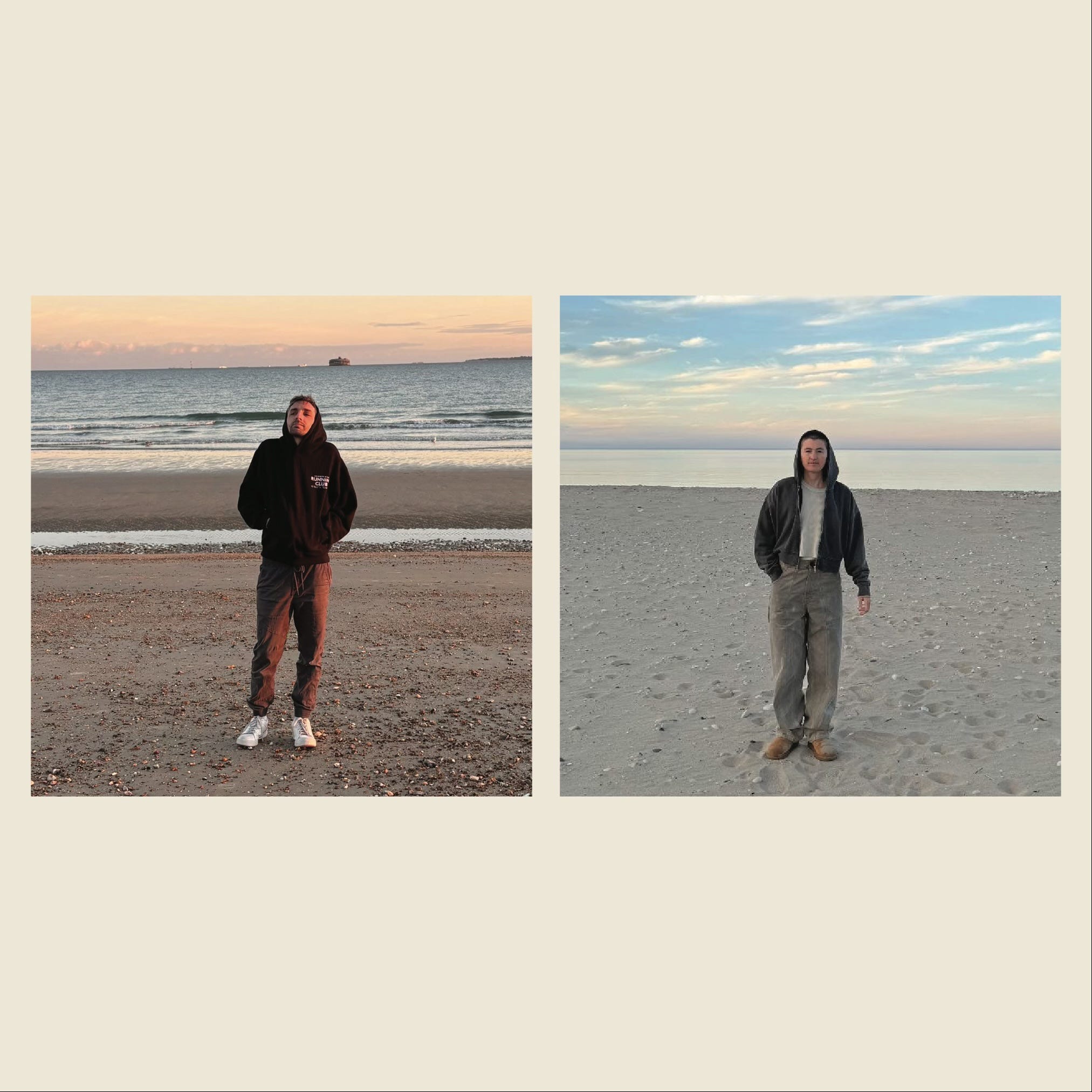
I’ve admired Izzy’s music from afar for years, ever since I first heard their debut album Earth Tones, I was completely in awe. We connected instantly through our shared love of music and our experiences with IBD (ulcerative colitis for me, Crohn’s disease for Izzy). We wanted to turn those connections into something positive, and we hope our music brings comfort to anyone navigating life with IBD.
Izzy’s positivity and enthusiasm are endlessly inspiring, and I’m so grateful that we’ve had the chance to create music together.
Hello Izzy Johnson, what is Entrails?
Entrails Magazine is an art and literature publication created by people living with inflammatory bowel disease — Crohn’s disease and ulcerative colitis. It’s a space where self-expression sits at the center of how we navigate living in sick bodies.
At its core, Entrails is about community and vulnerability. We live in a world that doesn’t really teach us how to be vulnerable, so we have to learn it through practice, and art is one of the most powerful ways to do that. When people share their experiences through writing, visual art, and sound, it creates a kind of empathy that helps others actually see and understand what it’s like to live with chronic illness.
Beyond the publication itself, Entrails is also a larger idea, a growing ecosystem of support, awareness, and connection for people with IBD. It’s about finding new ways to make living with these diseases less isolating, and to bring visibility and understanding to experiences that are often hidden.
How did the idea come about?
I came up with the idea because I wanted to create something that reflected the real, messy, human experience of living with IBD. I was diagnosed with Crohn’s/colitis when I was fourteen, and if something like Entrails had existed back then, I think I would’ve felt a lot less alone.
IBD can be incredibly isolating. It’s you and your body and your symptoms, often invisible to everyone else, and it’s hard to put into words just how debilitating it can be. Entrails became a way to show that reality, and to create something I wish I’d had: a community built on honesty, self-expression, and shared experience.
In a way, it started from self-preservation, wanting to connect with others who I could relate to. And now, through Entrails, that community exists.
Why is art and music so important to you?
Art and music have always been essential to me because for a long time, I couldn’t talk about what I was going through. I kept it all inside. I didn’t want people to see me differently or treat me like I was fragile. That came from a kind of internalized ableism that tells us to keep pushing, to tough it out, to prove our worth through productivity. But I’ve learned that caring for our most vulnerable people should be the baseline, not something we earn by pushing ourselves past what’s humane.
Creating art and music became a way to express what I couldn’t say directly. It’s embodied, and through that embodiment I can connect with others. I’ve always found it hard to relate to people, even within the IBD community, because of the particular shape my illness has taken — the surgeries, the complications, living with an ileostomy, the persistence of it all. But when I make something, I feel that connection. It’s a shared language that doesn’t need to be explained.
Making art also helps me know myself better. I’m always trying to understand who I am and how to show up in the world as authentically as I can. Living with chronic pain, symptoms, and increasing disability — art and music give me a way to process what’s happening inside me. Without that outlet, I think life would feel much smaller, and much sadder.
How did the GWFAA/Izzy Johnson collab take shape?
Tom actually found me online, I think through my music, he’s a sucker for ethereal vocals. From my profile he realized that I have Crohn’s disease, and he has ulcerative colitis — the two main forms of inflammatory bowel disease. He reached out, we started talking, and he invited me to collaborate with him. At the time I had just moved, things were a bit chaotic, and I just started recording my sophomore album, so I asked him to check back later.
About a year or so after that, I started thinking about the musical component for the next issue of Entrails Magazine. Each issue includes an original piece of music meant to guide readers as the first contribution. I had already listened to Tom’s work and really loved what he was doing, so I reached out to see if he’d be interested in scoring Issue Two. When I asked, he surprised me by inviting me to co-score it with him, and I said yes.
You’ve performed live over the years, how have you managed while having Crohn’s? Are there any tips of advice you could give anyone who’s considering going into that world?
I’ve played a lot of shows over the years, and many of them happened while I was in pretty rough shape with Crohn’s. I love curating shows, so I’ll usually reach out to someone I want to play with and then find a space that feels right. Accessibility and comfort are always priorities, and making sure there are proper bathrooms is non-negotiable. One of my favorite shows I set up was inside a greenhouse. The bathroom was a porta potty, which wasn’t ideal, but it was worth it. When I was younger and playing in punk bands, I came across some of the most gnarly “bathrooms” in DIY spaces. Those experiences were definitely humbling.
Since COVID, I’ve become more intentional about creating safe environments. I encourage masking and try to make sure everyone feels comfortable being there, especially because people with Crohn’s or ulcerative colitis are immunocompromised. Many of us have parts of our intestines removed, which impact our microbiomes and we’re on medications that weaken our immune systems — double whammy. So safety really matters, especially in spaces built around art and community.
When I’m performing, something happens that’s hard to explain. It feels like I enter another state of being. Playing guitar and singing, I can become so present that I stop feeling pain. Before I had an ileostomy, I even stopped feeling urgency. It’s like I step outside my body for a little, which is rare when you live with chronic illness. That kind of presence, being fully seen and received by others, feels like freedom.
For anyone with IBD who wants to perform live, I’d say to plan ahead and make sure the space works for you. Ask about bathrooms before you agree to play. Bring your own safe food and something to stay hydrated. Mask and request masking. Rest before and after the show, and make sure to use the bathroom or empty your ileostomy right before going on stage. Most importantly, don’t be afraid to communicate your needs. You deserve to take up space and still do what you love. There’s always a way to make it work if you move with honesty and care. Also get to know your boundaries and non-negotiables.
How can people get hold of Entrails?
You can pick up Entrails at entrailsmagazine.com. We’re a small operation that ships out of Detroit, and at this point we’ve sent issues far and wide. We’ll keep doing that as long as people want to read and connect with what we’re making.
Who can apply to be part of it?
Submissions to Entrails are open to anyone with a diagnosis of Crohn’s disease or ulcerative colitis. We’re a very specific art and literature publication, and that’s intentional. We’re filling a space that hasn’t really existed before, one that centers the voices and creative work of people living with IBD.
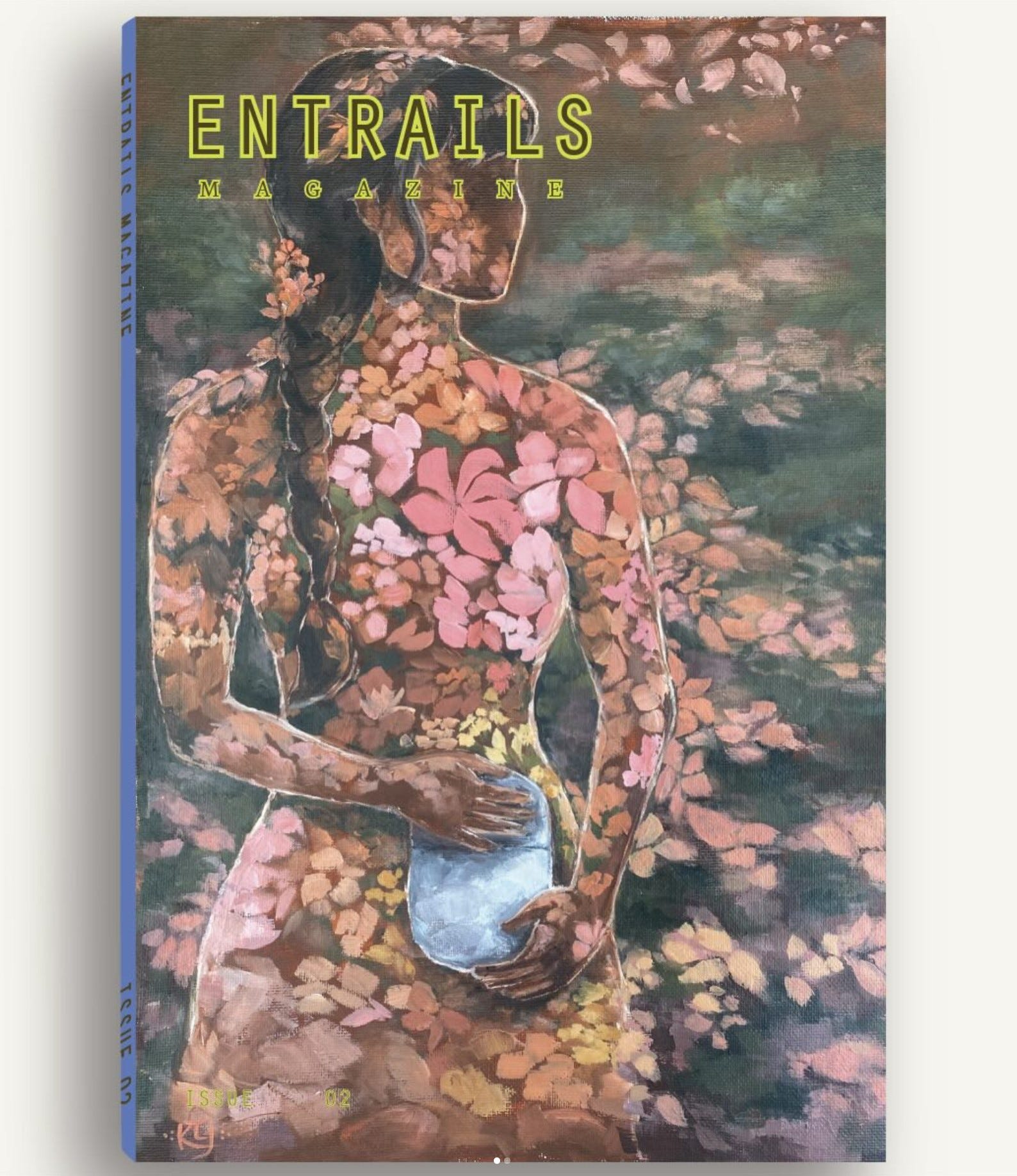
For Entrails Issue 02, could you talk about the music itself?
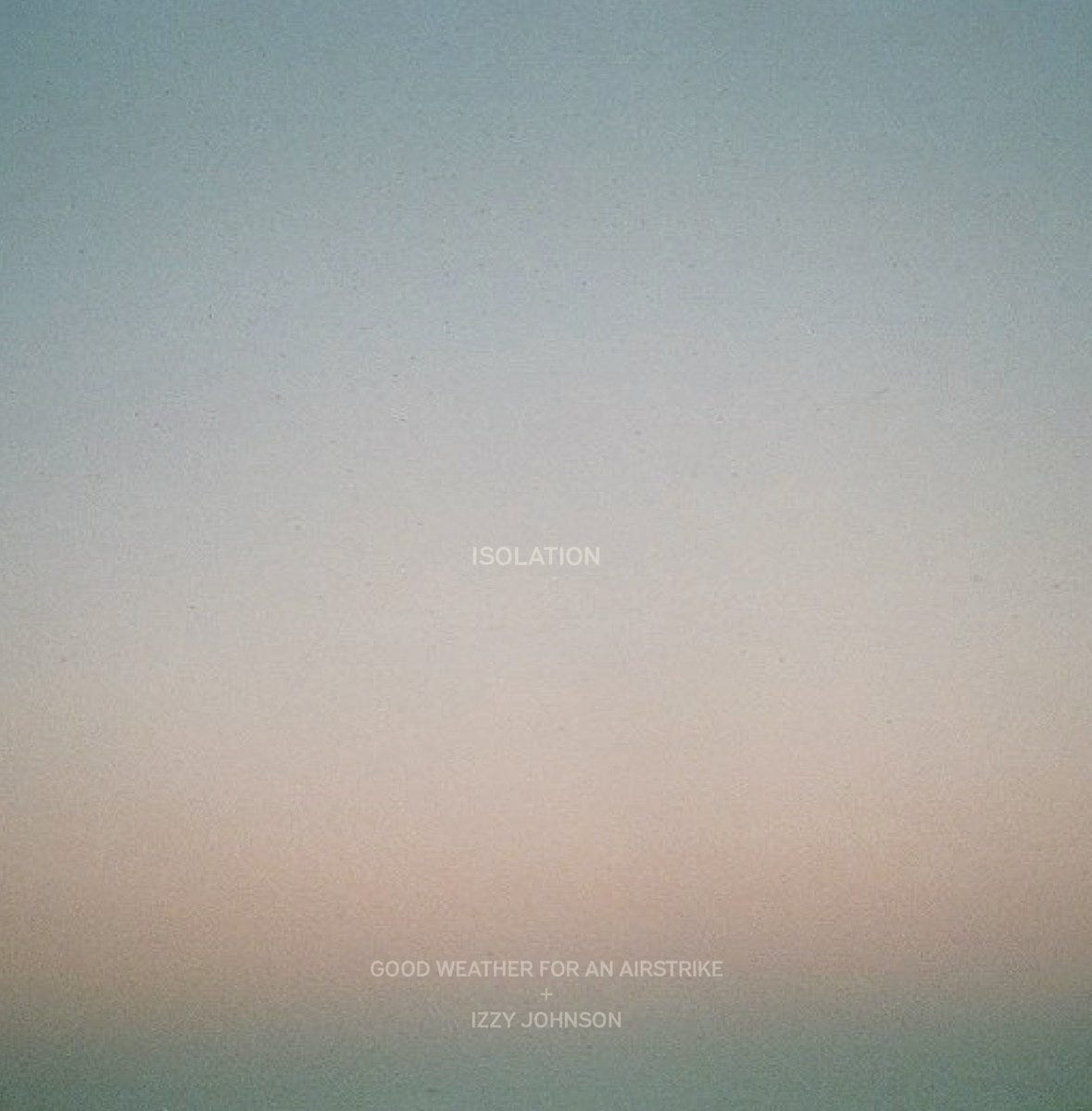
The release is called Isolation, which is the first release from Entrails Records. It includes two tracks, Isolation and Liminality, which will come out as a super limited edition 7in vinyl. One hundred copies only, available to order for one week Nov 26 - Dec 3, shipping from the UK. Both tracks were created to explore the lived experiences of disability and chronic illness and the emotional landscapes that form around them.
Isolation focuses on the loneliness, disorientation, and vulnerability of being hospitalized with IBD. It is about how everything gets farther away, how you become more and more inside your own head, and what that internal contraction does to a person. It holds the feeling of being cut off from the world while still being asked to endure it.
Liminality looks inward in a different way. It reflects what many disabled people navigate every day, living between worlds, never fully accommodated, never fully able to function in the pace or demands of the able bodied world. It explores those brief and fragile moments when you feel ok, then the inevitable slipping back. It sits with the experience of losing pieces of yourself inside illness, inside disability, and the ongoing work of trying to return to who you are, even as that identity keeps shifting.
These tracks are part of the score for Entrails Issue 02, and they are meant to hold the emotional weight of these stories, these bodies, and the states we pass through.
How did you find working on this collaboration?
It’s been so much fun collaborating on this project with Papa Tom. It honestly felt like a bit of a paradigm shift for me. Working with Tom helped me move out of my tendency to take things really slow with music. Instead, we’re coming up with ideas, talking about them while they are still fresh, and actually creating in that moment. That’s something I’ve always wanted to do more of, but I tend to overthink things.
I could never make this music on my own or even know how to, and I think that’s the beautiful thing about collaboration. There’s a shared understanding that doesn’t need to be explained. Having that lived experience in common, both of us knowing what it’s like to live with IBD, gives the work a kind of foundation and trust.
I also think our brains work in a similar way. We can both hold a lot at once and we’re a little scattered, but it makes the creative process feel alive. It’s been a really joyful, affirming experience.
Find Izzy Johnson on:
Entrails Magazine / Bandcamp/ Tidal/ YouTube / Apple Music / Spotify