

Resonance | Interview: Hanakiv
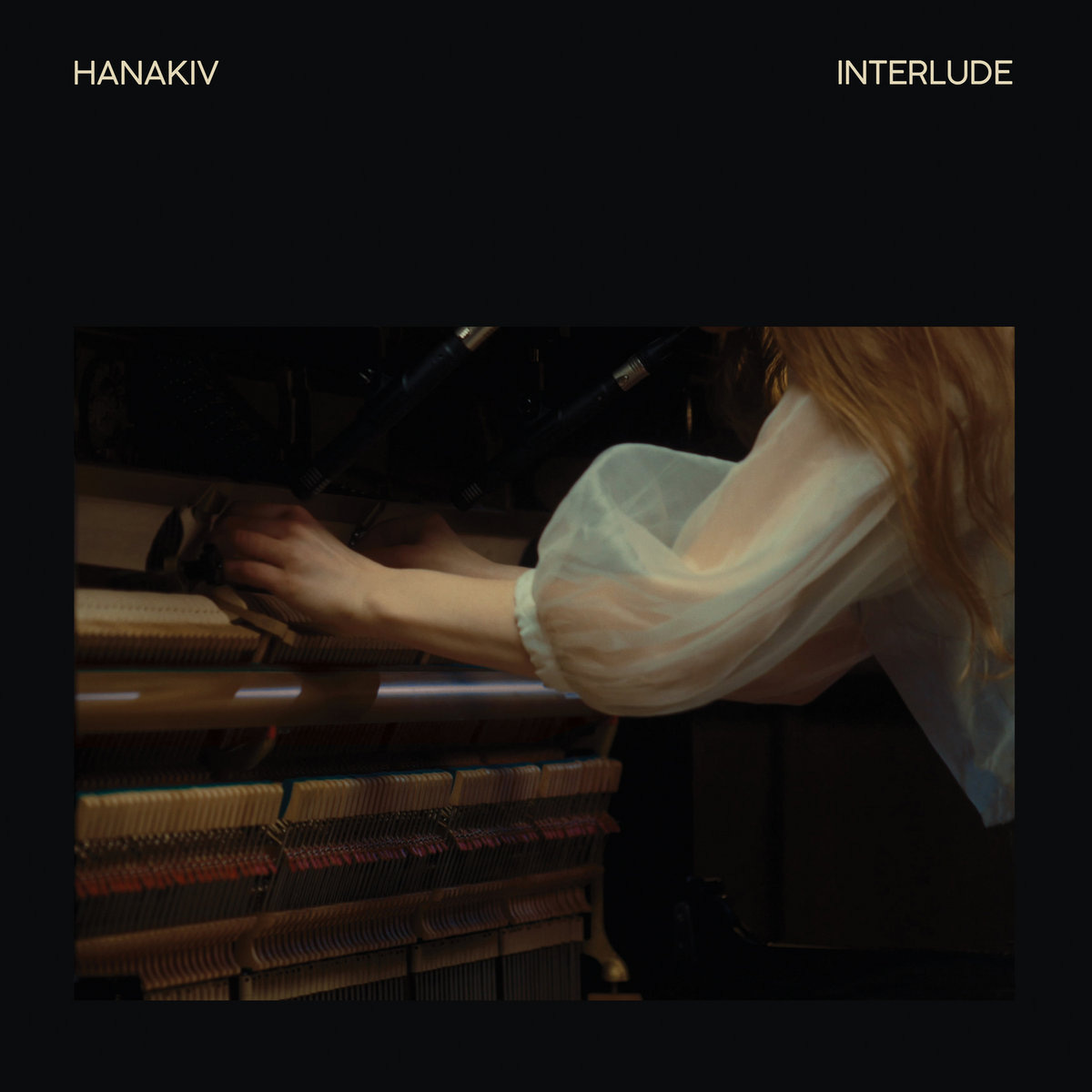
London-based, Estonian-born pianist and composer Hanakiv speaks with Hollie Kenniff about her album "Interlude" out now


How did your Estonian roots, especially the country’s choral traditions, and your connection to nature shape your new album Interlude?
My roots and my connection to nature had a bigger influence of my first album Goodbyes, but I don’t think there is much connection on Interlude. Interlude explores the themes of numbness, in-between times, and it was written and realised in London with some additional recordings made in Tallinn. However, I would like to think that subconsciously your roots always play some kind of a part in the creation.
You’ve said the making of Interlude really began when you got your secondhand upright piano, after years without one since moving from Estonia. How did having it at home change the way you connected to your music day to day?
Piano is the heart of home, or the feeling of home for me. I only realised it so strongly after getting a piano again in London. Not having one was one of my struggles when moving abroad, and I don’t take it for granted anymore. The connection was re-established, renewed and music making became more intimate and immediate. Now I can’t imagine that I spent years without having a piano at home, but I’m also thankful for how much more I’m able to appreciate it now.
Have you always known you wanted to be a composer and pianist?
I’ve known from quite early on that I wanted to create music, so I was naturally drawn to composing. I don’t think of myself as a pianist, and I never had the ambition to become one, but piano is the instrument that I use to express myself, and it has been the basis of the sound worlds that I create as Hanakiv. I was surrounded by creativity since a young age, though for a while I actually tried to rebel against becoming a musician until I was around 13 years old. Both my mother and grandmother are classically trained musicians, and I didn’t want to follow a path that felt too similar to theirs, but eventually I came to my senses.
When did you relocate to London, and how has the city’s musical culture influenced your sound and creative process?
I moved to London in 2018 after doing a year of internships in Malmö and Reykjavik. The main aspect for me about London was being able to be invisible here in a good way. There is so much talent and so much different kind of music and culture around you all the time, which broadens and rebuilds your senses. Funnily enough, living in London has also helped me to slow down in a way. Being able to experience this diversity and high level of art on a regular basis has put me into a mindset where I want to only make what feels very important to me, and tune even more strongly into the things I feel are truly necessary to make. Maybe this is something that comes easily for other creators, but it’s something that I’ve had to learn.
Who are some of the artists or composers that have most shaped your sound, and what draws you to their work?
Here are some influences that come to my mind: My good friend suggested me to listen to Tim Hecker’s music after attending one of my Master’s concerts, thinking I might like it, and he was right. At that time I was exploring making music outside of the academic classical composition format, and I was just trying out different sounds. Finding Tim Hecker’s music was some kind of a realisation and bridge for me between where I came from and where I wanted to go to.
Lots of Estonian composers that were just part of growing up. I don’t think the influence is really heard on the albums I’ve released so far but I have some vivid core memories related to the music of these composers that I believe have shaped me. I’ve played Ester Mägi’s and Erkki-Sven Tüür’s music on piano, sung Veljo Tormis’ music in choir, played Arvo Pärt’s Für Alina in a high school project where the composer himself came to our lessons to give us tips. I believe all my composition teachers have shaped my sound as well. The list goes on.
I also attended countless premieres during my studies, and I was quite interested in experimental music. When I first heard Ligeti’s Atmospheres, I was drawn to this way of thinking - music as atmospheres, and sound clouds instead of traditional harmony and melody. Björk’s Vespertine has been a big source of inspiration. What draws me to any kind of music is always the emotional aspect that I don’t even fully want to understand. It’s some kind of intensity.
You’ve said you always loved singing and being in choirs, but didn’t feel confident in your own voice or imagine sharing it in a more personal way. I felt similarly when I started. What inspired you to take that initial leap?
Realising that my voice doesn’t need to be perfect or perfectly trained to share it with the audiences gave me the confidence to just go for it. I take my voice as just something I can use to express myself.
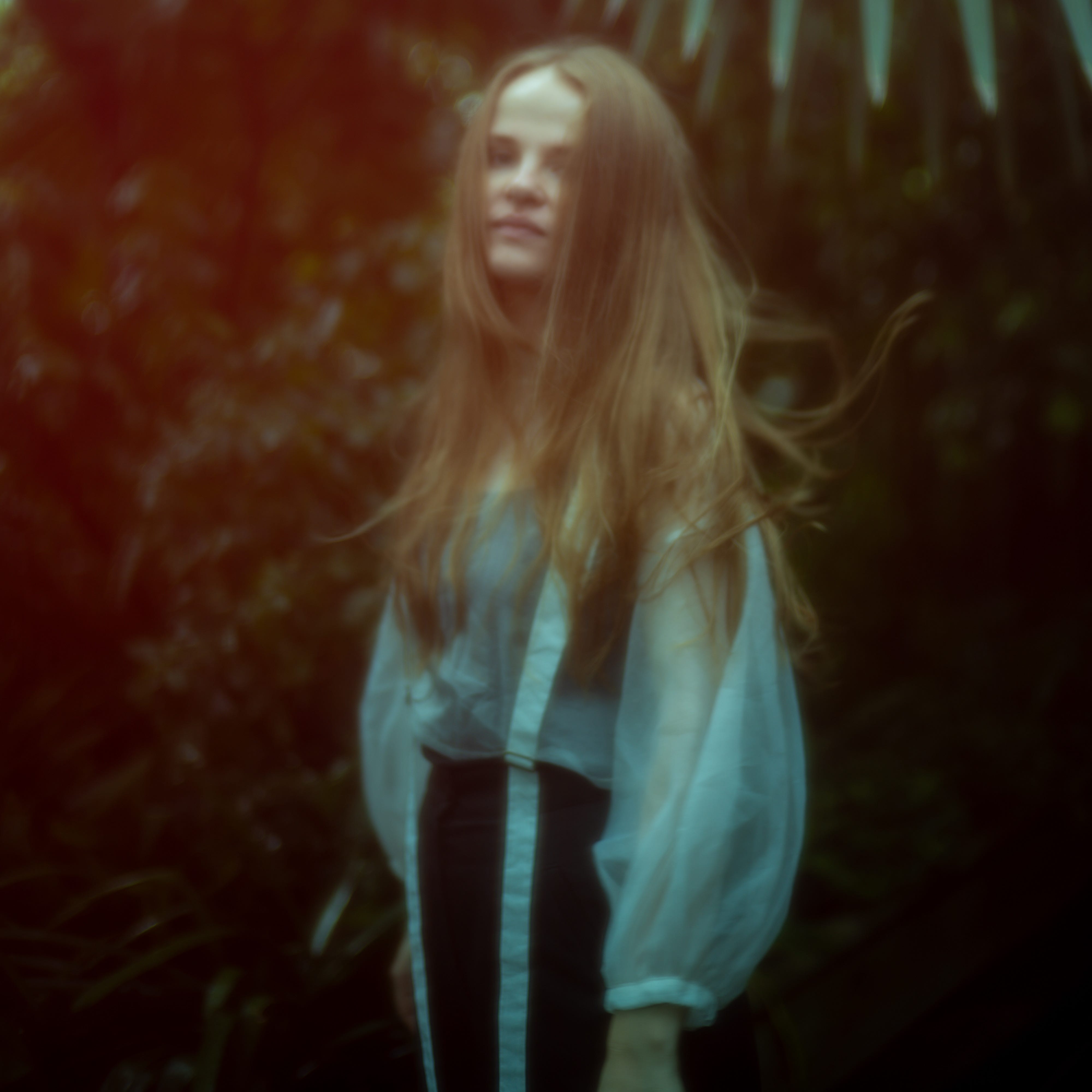
Your outfits have such a distinctive presence in your photos. What was it like seeing your loose sketches transformed into something so refined by Aracia Terreros?
It was amazing! Aracia is the kindest and most detailed person. Opening her packages is an experience of its own - she uses wrapping papers, postcards with sincere little messages, or other details that go all together even when sending the trial versions. It was quite surreal to see these clothes coming to life, and I was even a bit speechless seeing the final versions. We had a few zoom meetings along the way and she completely understood the vision I was trying to create.
Your music has this beautiful sense of layering, especially between piano and vocals. When you’re building those textures, how do you know when a piece has reached that point where it feels “alive” and the layers are truly breathing together?
It is this feeling, a bit like a relief - all details have fallen into their right place, and you know it has come together. There might be more work to do, but it has clicked and you know the piece is in it’s final detail correction stage. The reason I use the word ‘alive’ is because I think of it almost like a living organism where all aspects work together, the piece begins to breathe as one body instead of many separate parts. This is how I like to think about creating a piece of work in general.
Who are some of your favorite pianists and piano albums?
Funnily, piano music has never been my main source of inspiration. Some albums featuring piano that I enjoy are:
Hania Rani and Dobrawa Czocher - Inner Symphonies
What are some of your interests or hobbies outside of music, and do they ever influence your creative work?
Once in a while I like to cook, and try out new recipes. The whole process of preparing a dinner, in a cozy atmosphere with candles lit and music on, is a big part of it. I also write a lot to keep my thoughts clear, and I like to read. I’m quite old school and prefer physical books so I mostly buy used ones. I would like to think these things influence my creative work. For me, the similarities lie in being present, and appreciating the process. Except for maybe reading, where the additional layer is letting you imagination run, which is similar to laying grounds for new work.
Find Hanakiv on: