

Resonance | Interview: Øystein Skar
Hollie Kenniff in conversation with Norwegian composer Øystein Skar, whose debut solo album Hems was released this past Friday via Moderna Records


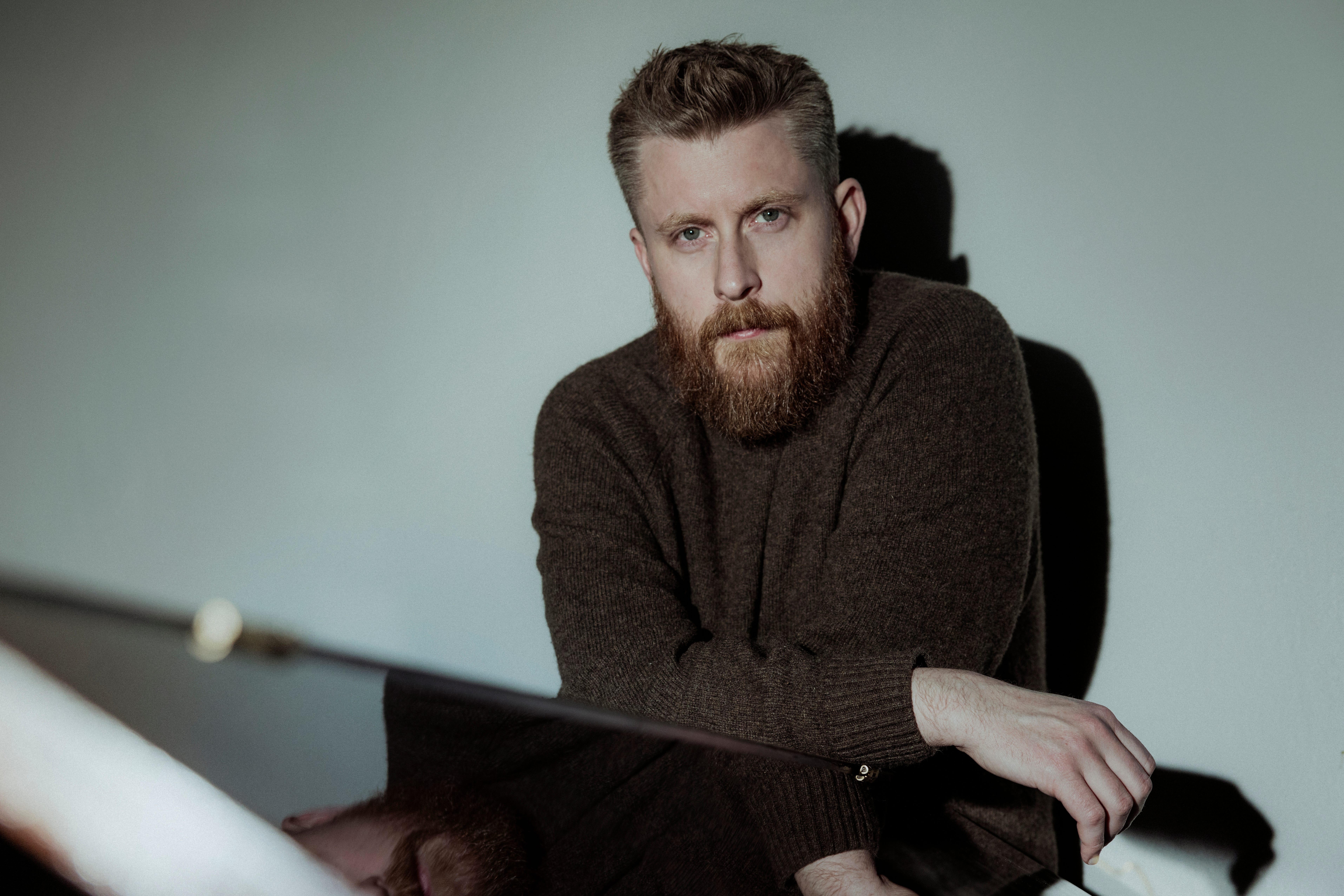
Norwegian pianist and composer Øystein Skar has long moved fluidly between genres, touring extensively around the world with the band Highasakite, earning multiple Norwegian Grammys, collaborating with artists across jazz and experimental music, such as Aurora and Sigrid, and composing for dance and theater. With his debut solo piano album Hem, released via the excellent Canadian label Moderna Records this past Friday, Skar returns to a more intimate form of expression. It’s a beautifully elegant and reflective collection that captures his distinct voice as both pianist and composer.
The title Hem, which translates to “home”, suggests a return or grounding of some kind. In what ways did the idea of “home” influence your approach to the compositions?
That’s a good question. What is a home, really? I believe everyone carries a sense of "home" within them, and this album is about peeling away the noise to get closer to that inner place. For many, it’s buried deep inside, overshadowed by the distractions of everyday life. I’m not necessarily speaking about a physical location, though the feeling I associate with home is sometimes inspired by meaningful places from my childhood.
The entire album is improvised, and it was important for me to be in an emotional state where the music would reflect that inner space (or feeling of place). It actually took years of saying no to almost everything in order to create the silence I needed to reach it. It was a difficult and demanding process, I have to say.
What was your process like while writing and recording Hem? Were the pieces composed over time or in a more concentrated period?
Over a long time. As mentioned, the entire album is improvised and the result of an almost five-year process during which I consciously said no to everything else. It’s the first time in my life I’ve dared to make that kind of decision. I had been touring and working intensely for over 20 years, including 12 years in the major commercial pop industry with the band Highasakite, where I once spent up to 330 days a year on the road. Then, I found myself at home, surrounded by complete silence and self-imposed isolation. What remained after all those years? It took me a very long time to find the right path, but once I did, the recording and composing process came surprisingly easily. In fact, I now have two more albums ready, with the next releases scheduled for September.
Many artists find that some pieces seem to arrive almost fully formed, while others take time, revision, and patience. Do you experience that contrast in your own process, and how does it affect the way you approach composing or performing those pieces?
I feel the same way, and it’s never easy to know exactly when a piece of music is finished. I try to always keep an open mind and take a lot of time listening to the music in different settings. As you said, patience is important. I don’t think there’s a definitive answer to when something is done.
You mentioned moving from a gear-heavy studio to a minimalist setup, only to find yourself slowly collecting equipment again. How do you navigate that tension between minimalism and the creative pull of new tools?
This is something I find difficult, and I have never found the solution. Mentally, I love minimalism. I need a tidy space to be able to create. I hate messes. But at the same time, I also need a lot of tools to be easily accessible, and that creates a contrast that is hard to manage. Unfortunately, I think the solution for me is to try to keep things as tidy as possible, while also accepting that I may never achieve a minimalist setup.
You’ve described your piece “Stok” as being more about listening than playing - an exploration of inner process rather than composition. Can you share more about what that mindset looks or feels like for you when creating?
That’s a difficult question. For me, composing always happens with imagery, and many people describe my music as very visual, which is lovely to hear. Everything I do is improvised, sometimes re-improvised, and processed again. I was fortunate to study jazz piano for four years with my mentor, Misha Alperin, an extraordinary pianist. He spoke often about the importance of listening to your heart. I’ve always placed deep focus on listening, and with this project, I tried to take that mindset even further. It’s about creating space for the music to come to you. I feel a lot of music already is in my fingers, and it’s easy to fall back on familiar habits. But with this album, I wanted to “listen” more deeply than ever before.
You've moved between genres throughout your career, from jazz and experimental to pop and now solo piano. How have those experiences shaped your voice as a composer?
I’m not really sure. It has, of course, affected me a lot. I try not to overthink it. I’m generally not a big fan of genres. I tend to see everything simply as music. It’s a cliché to say, but it also happens to be true.
You've composed for dance and theater companies across Norway. How does that kind of collaborative, movement-based work influence your approach to composition?
That depends entirely on the collaboration and the setting. In general, I’m very inspired by working with others. Ironic since I am only working solo now (haha). Since I’m used to improvising, I often find that the music in some of these projects becomes very influenced by the collaboration. Especially when working with dancers or with a theatre, where the process is very physical. I also do long-term projects like installations and television work, which involve multiple revisions and many people. In those cases, the music tends to be less influenced by the collaboration in the moment, since there are many layers and edits. But I’m always affected by a collaboration. It’s impossible not to be.
You began classical piano lessons at the age of six. How has your relationship with the instrument evolved? Was there a moment when the piano stopped feeling like practice and began speaking to you like a language of its own?
It has gone through many different phases. I loved playing the piano as a child, but around the age of sixteen, I began to lose interest. I felt that classical music didn’t offer enough space for personal expression, so I stepped away from it for a while, but never stopped playing. Then I discovered jazz, improvisation, and rhythmic music, which sparked a passion in me that lasted for about fifteen years, until I hit another wall. I spent a long time in the pop industry, playing with Highasakite and collaborating with artists like Aurora and Sigrid. During that period, I felt increasingly distant from the piano, and part of the motivation behind this project was to find my way back to the instrument I had spent my whole life playing. But I have always loved the instrument deep inside. It is a part of who I am.
Have there been any books, albums, or films lately that have inspired or stayed with you?
There’s always an ocean of inspiration, but if I had to name one thing, it would be the book Out Stealing Horses by the Norwegian author Per Petterson. It’s not linked to the album, but it just resonates with me deeply.
Which artists or composers have had a lasting influence on your music?
There are so many, but to name a few: Steve Reich, Brian Eno, Jon Balke, Meshuggah, Keith Jarrett, Yann Tiersen, Rachmaninov, Misha Alperin, and Miles Davis.
Are there any creative outlets or hobbies outside of music that you turn to for inspiration or balance?
I meditate. Also, Norwegians love being out in nature, and we are lucky to have a lot of it. Nature is essential for my balance.
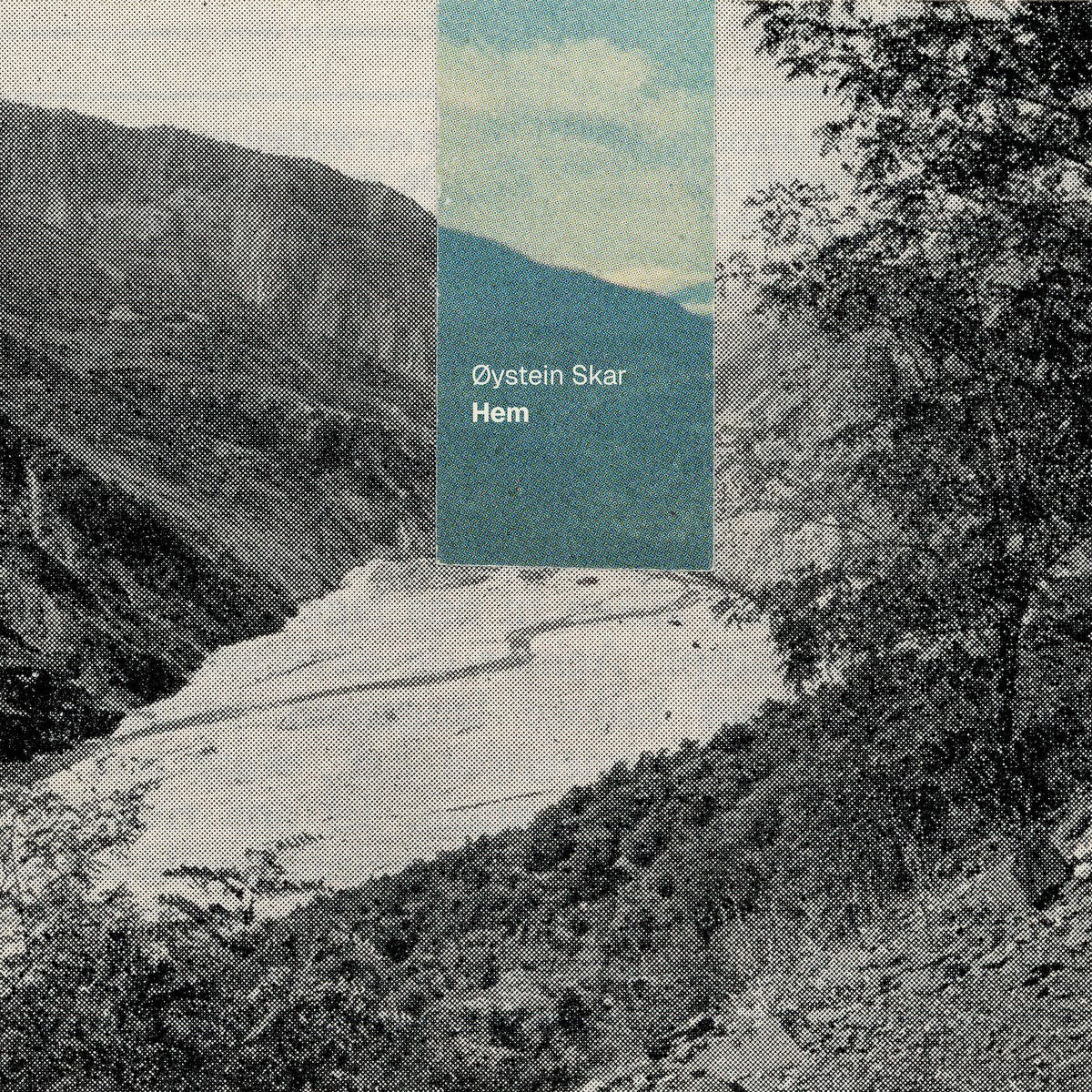
You can listen to Hem now via Moderna Records and follow Øystein’s work across major streaming platforms to stay connected to his evolving work.
Spotify / Amazon Music / Apple Music / Bandcamp